Synchronos · Founder & Managing Director
Bringing design, automation and technology under one accountable team
System 02 in the atlas · Physical spaces & infrastructure
I founded Synchronos in 2010 to solve a problem I repeatedly saw in the market: clients were expected to coordinate separate designers, automation specialists, AV teams, security vendors and contractors, even though every system affected the others.
When something failed, everyone pointed at someone else. What clients actually wanted was simpler than any of the technology involved — one team that would take responsibility for the whole result.
Why integration fails
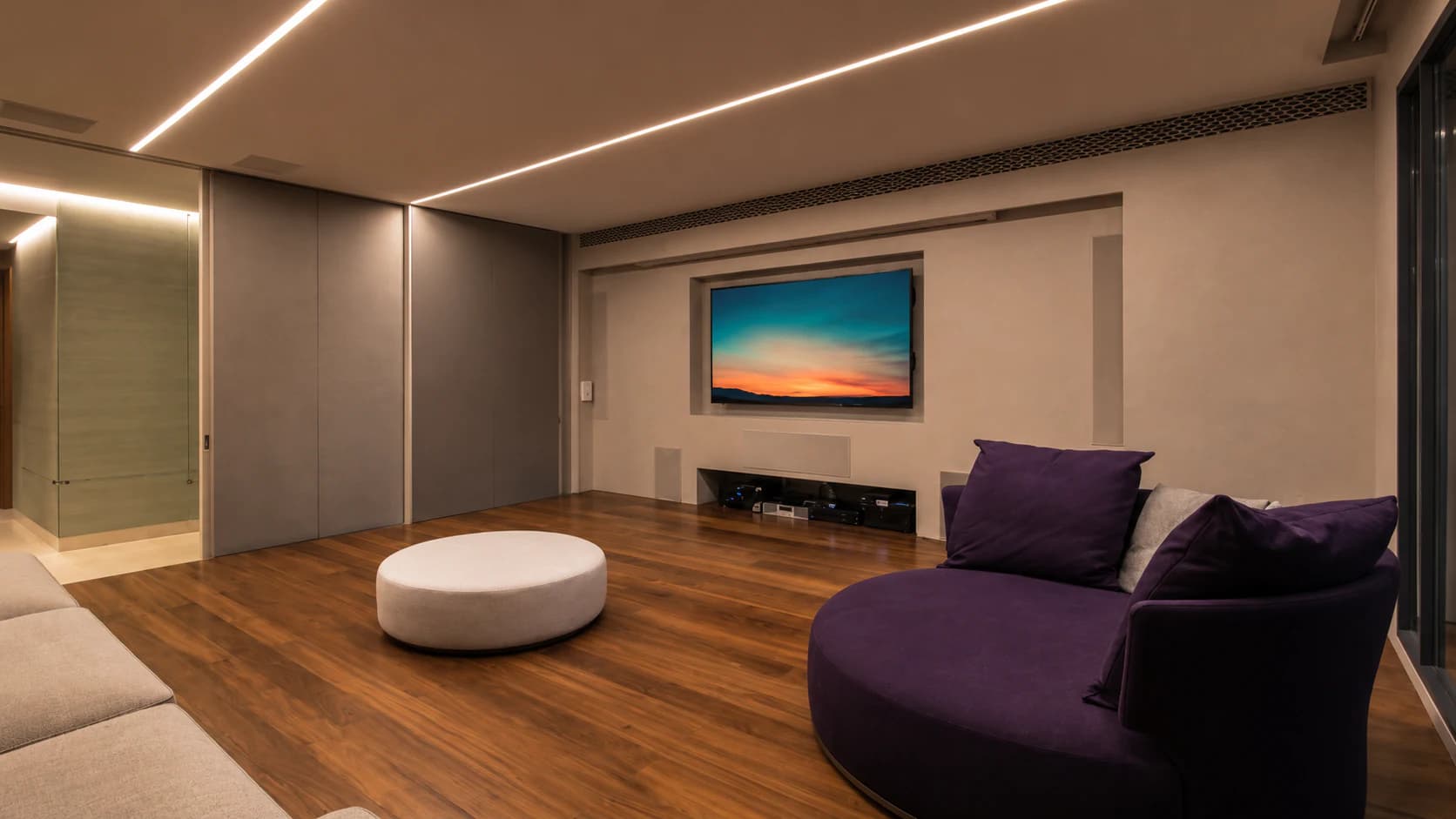
A modern building is a stack of systems that only work if they agree with each other: lighting talks to automation, automation depends on the network, the network shares walls and conduits with AV and security, and all of it has to survive the interior fit-out. Each discipline is competent on its own. The failures live in the gaps — a control decision made without the networking constraint, a device specified before the acoustics were understood.
The conventional market answer is to hire a specialist per discipline and hope they cooperate. They rarely do, because no one owns the seams between them. That gap is the real product a client is missing.
One team, one responsibility
We built the company around full-cycle ownership. The same team that sat with a client to understand what they wanted would design the solution, estimate it, procure it, install it, commission it, train the people who would live with it, and answer the phone afterwards. There was no seam to fall through, because we owned all of them.
That promise required unusual breadth — commercial, design, procurement and on-site execution decisions all connect, and holding them together is where the value is. Over the years the company built deep partnerships across the automation and AV world and working relationships with representatives in Dubai, Doha, Madinah and Casablanca.
The work
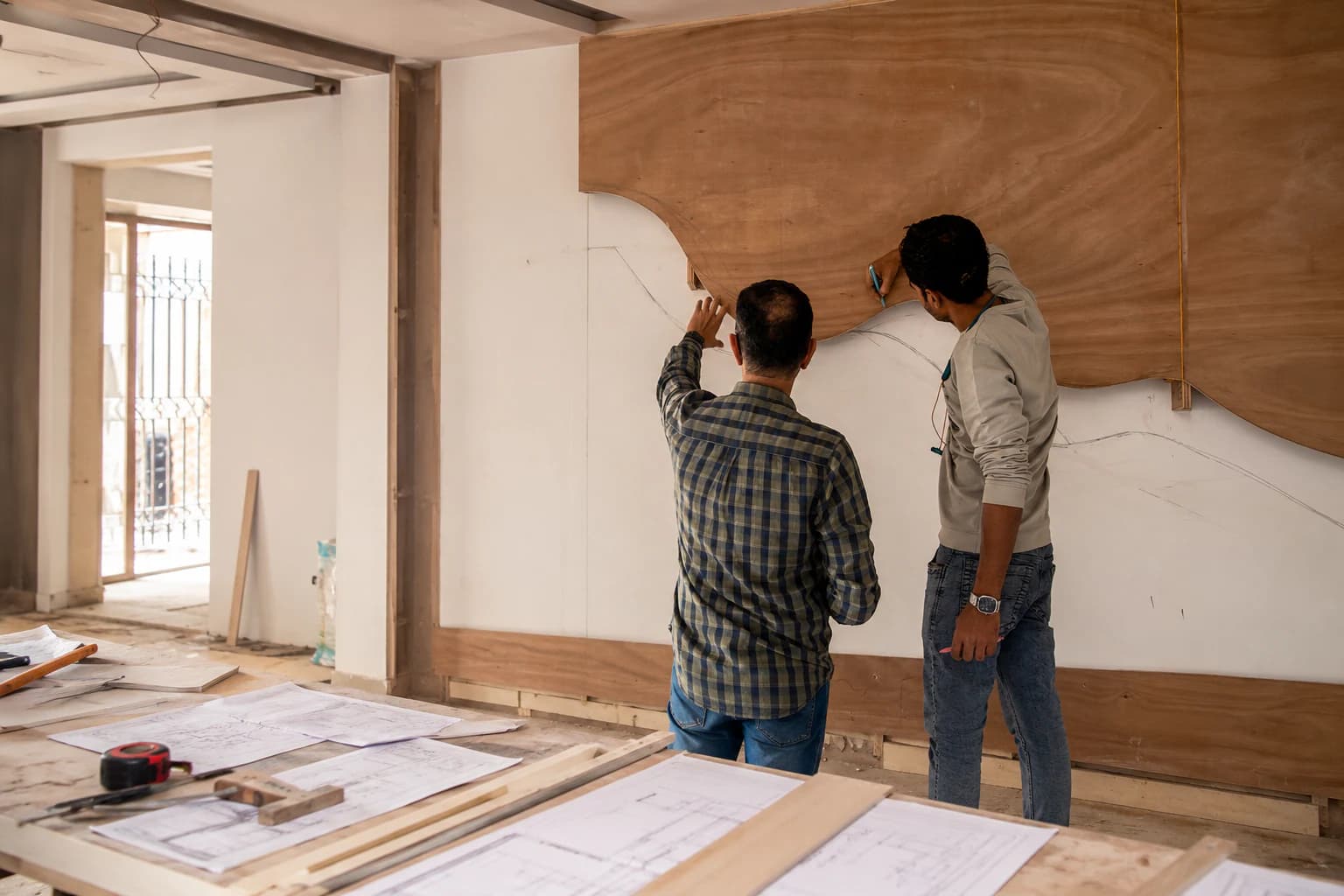
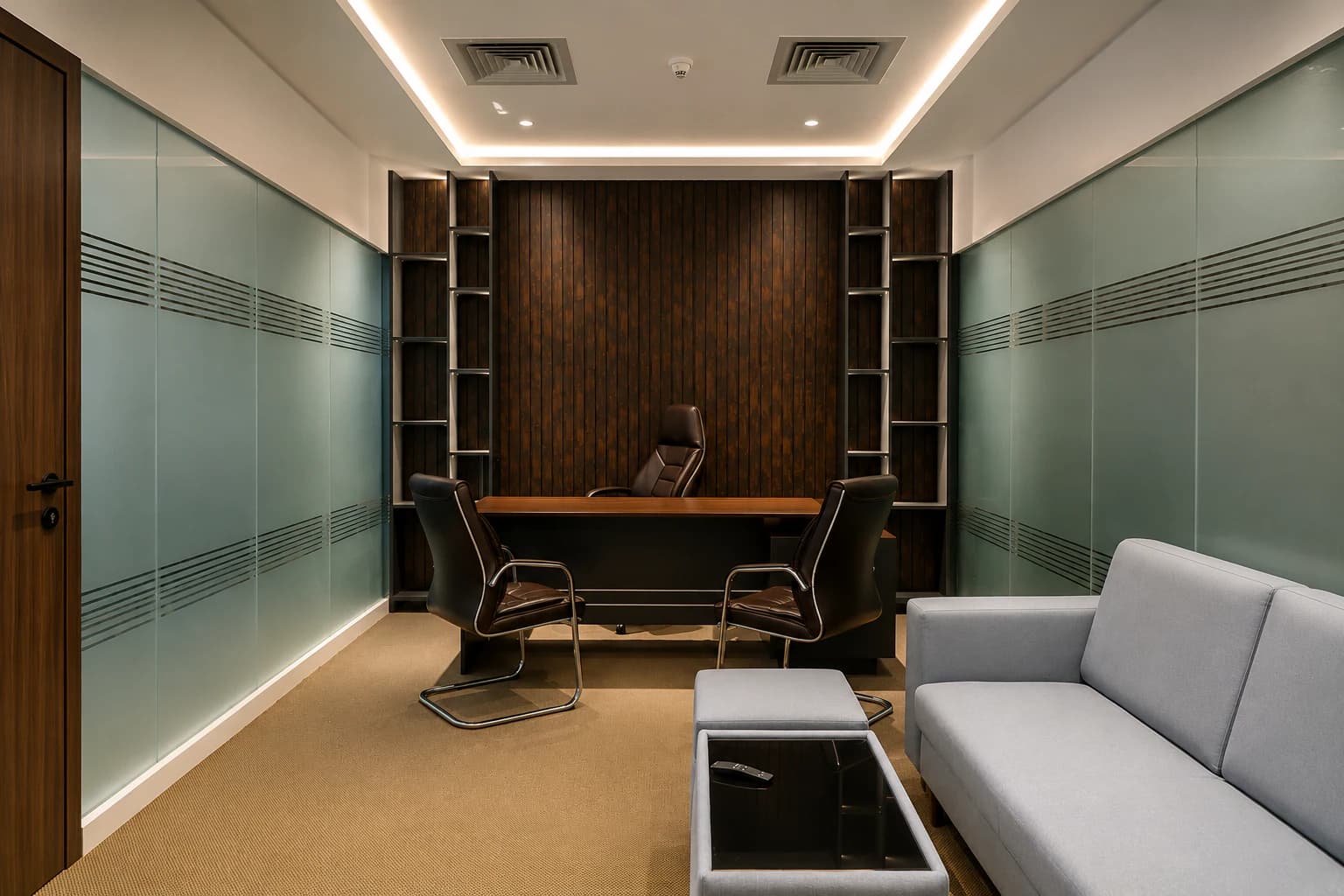
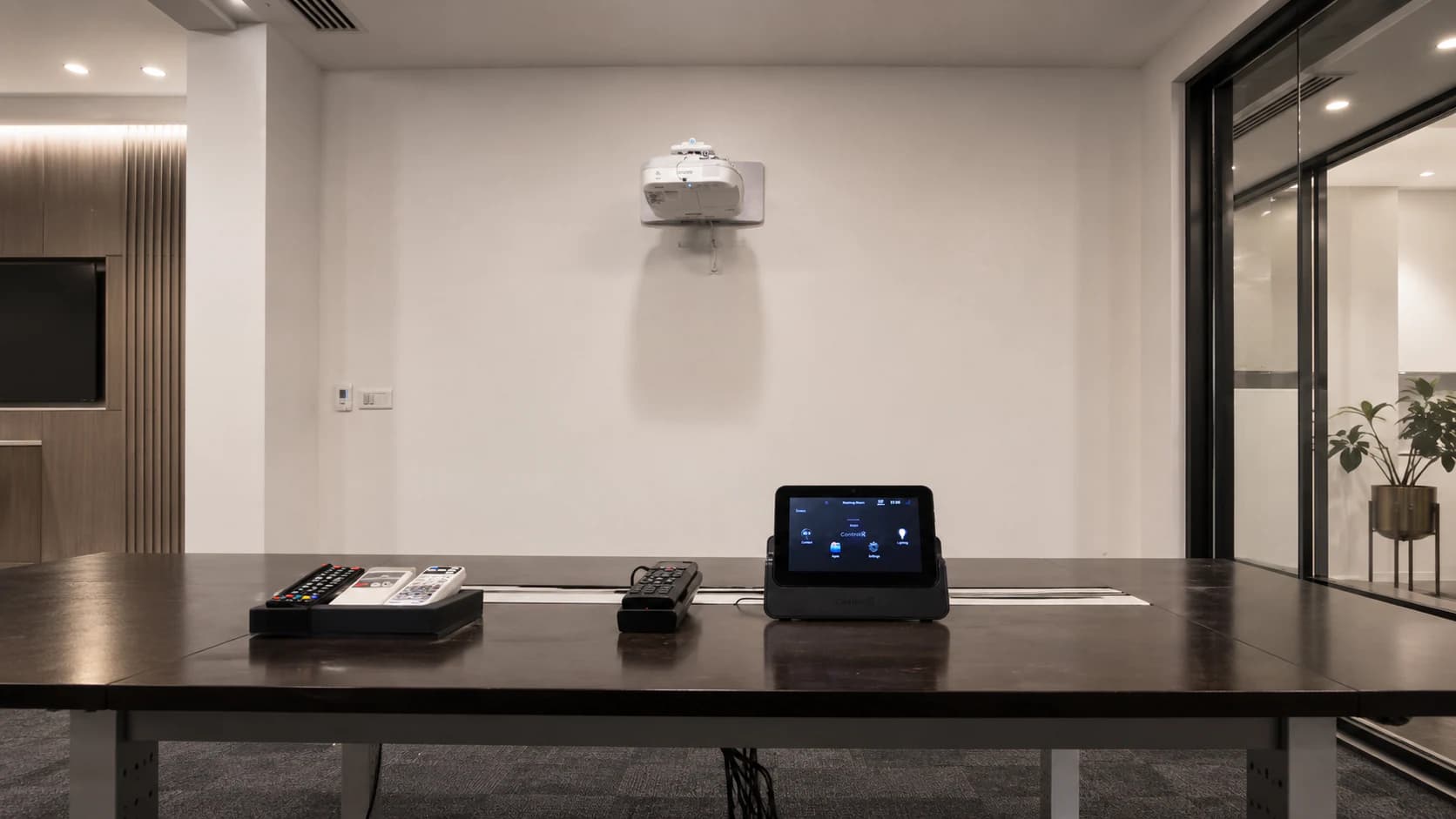
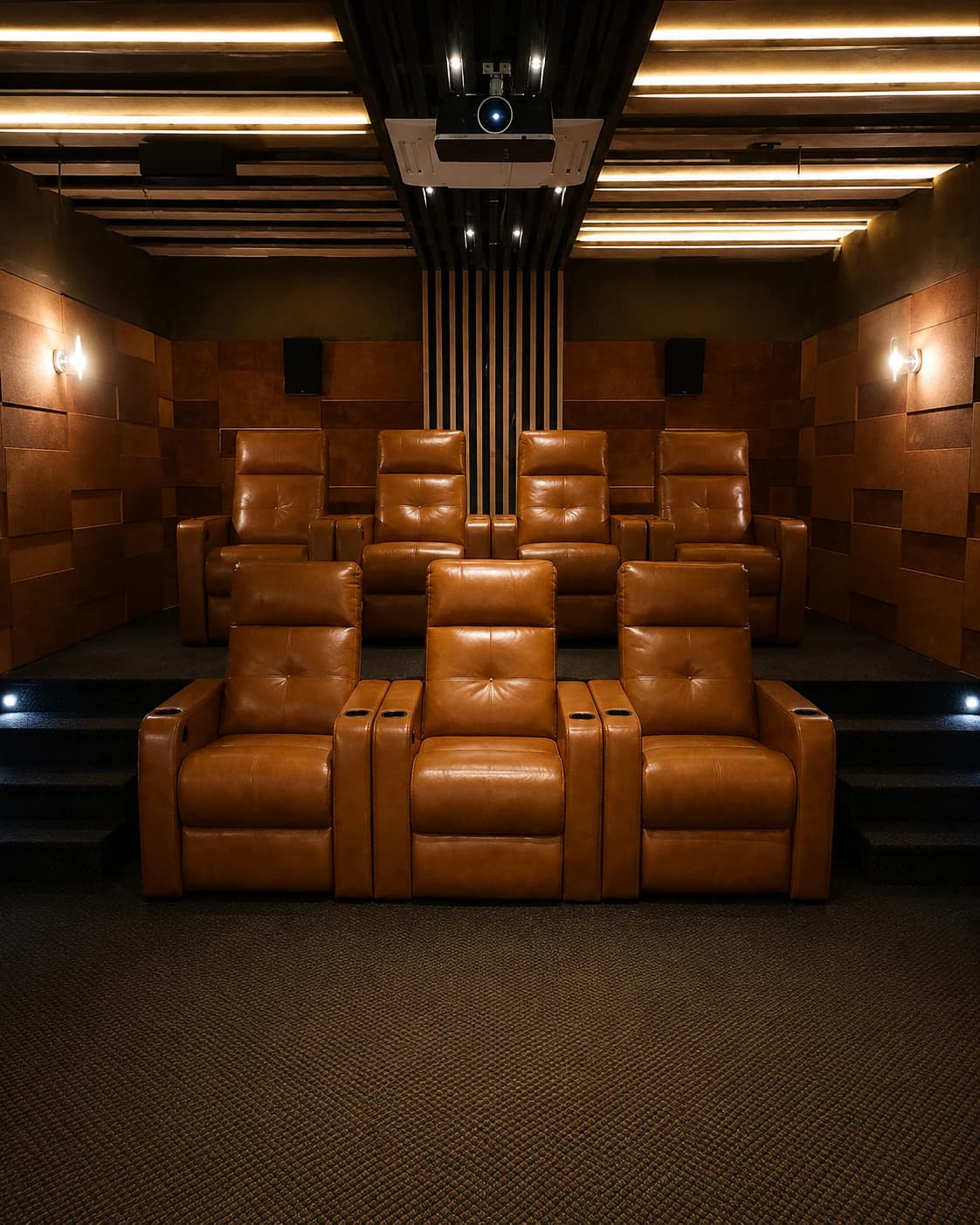
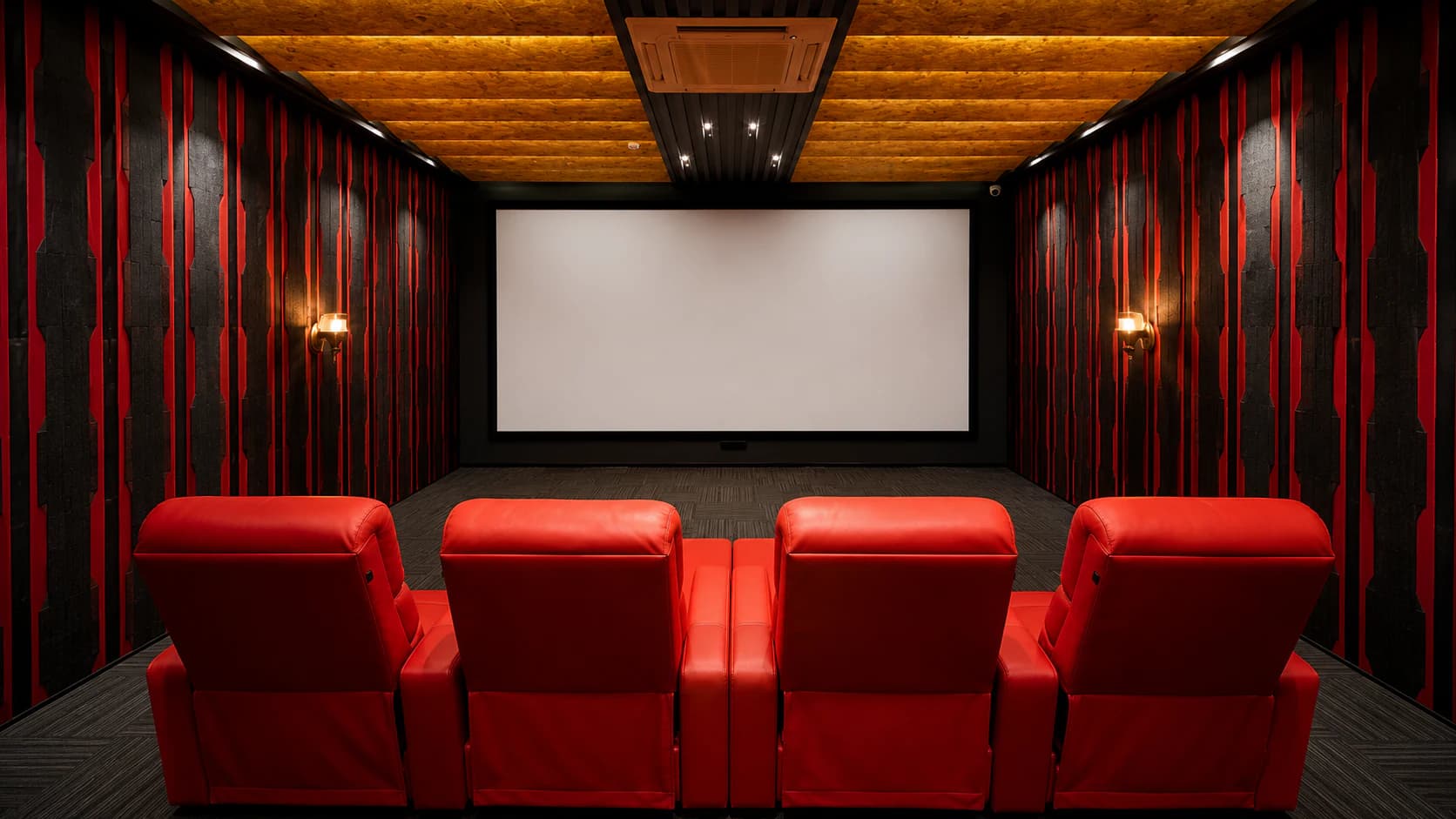
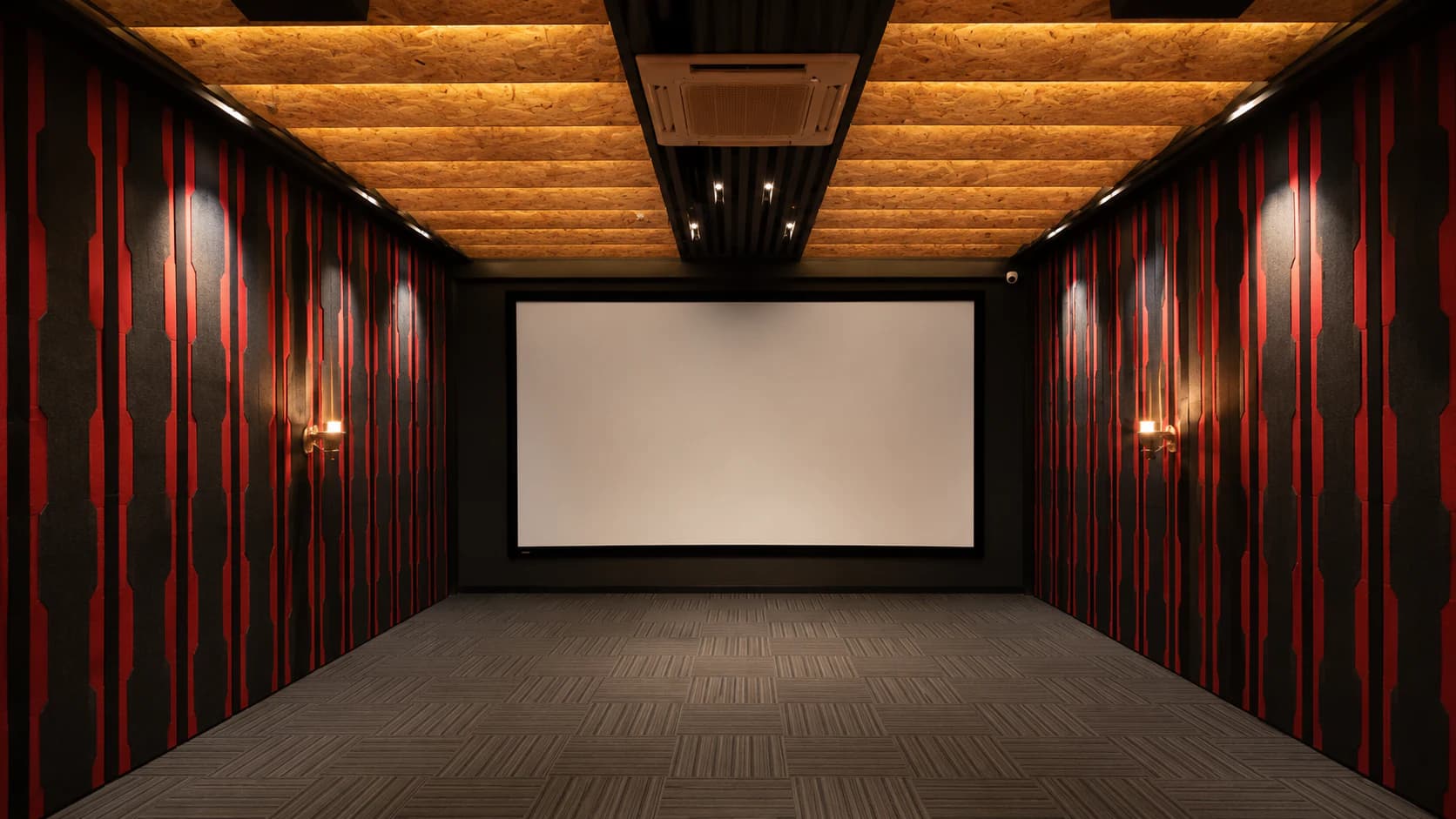
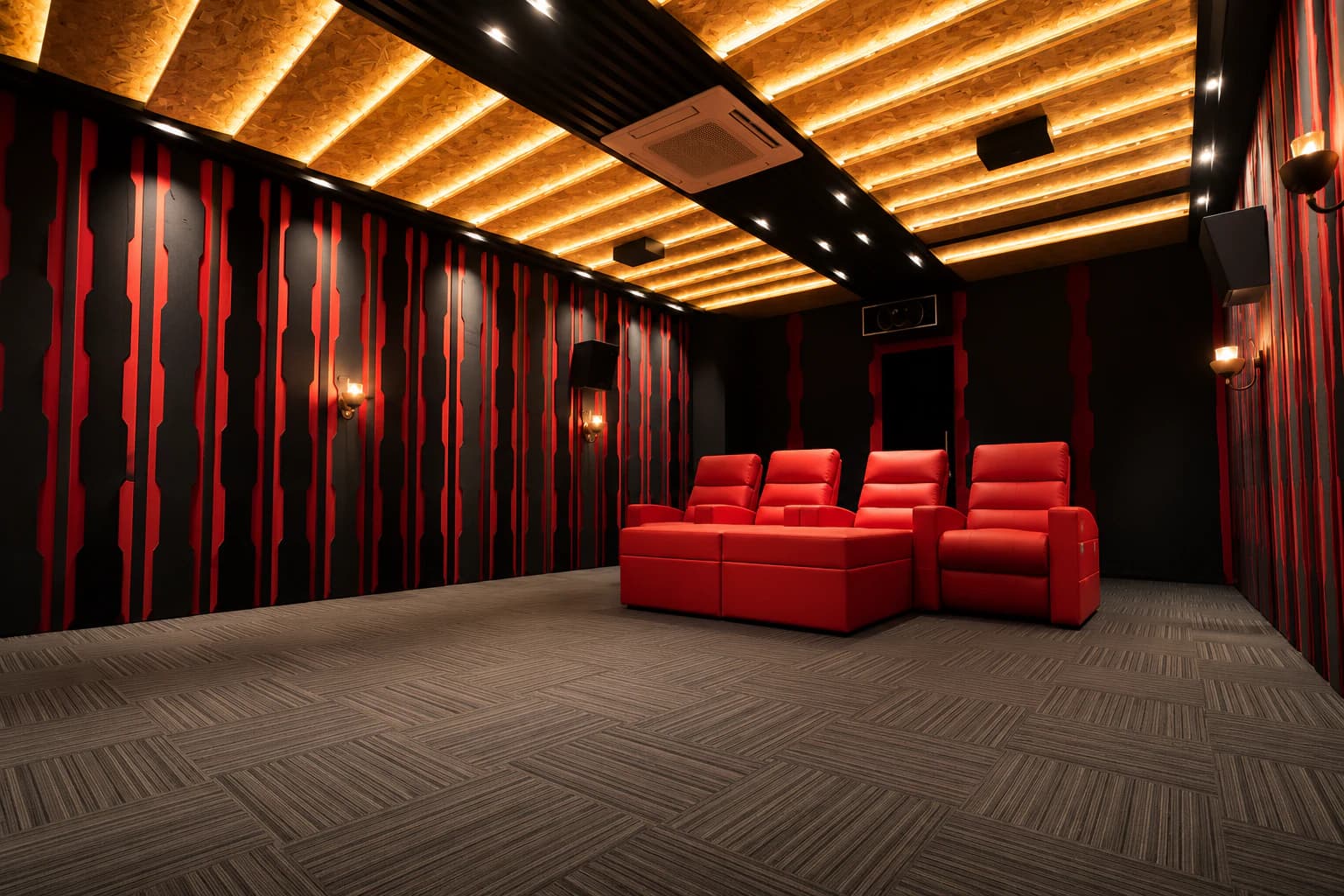
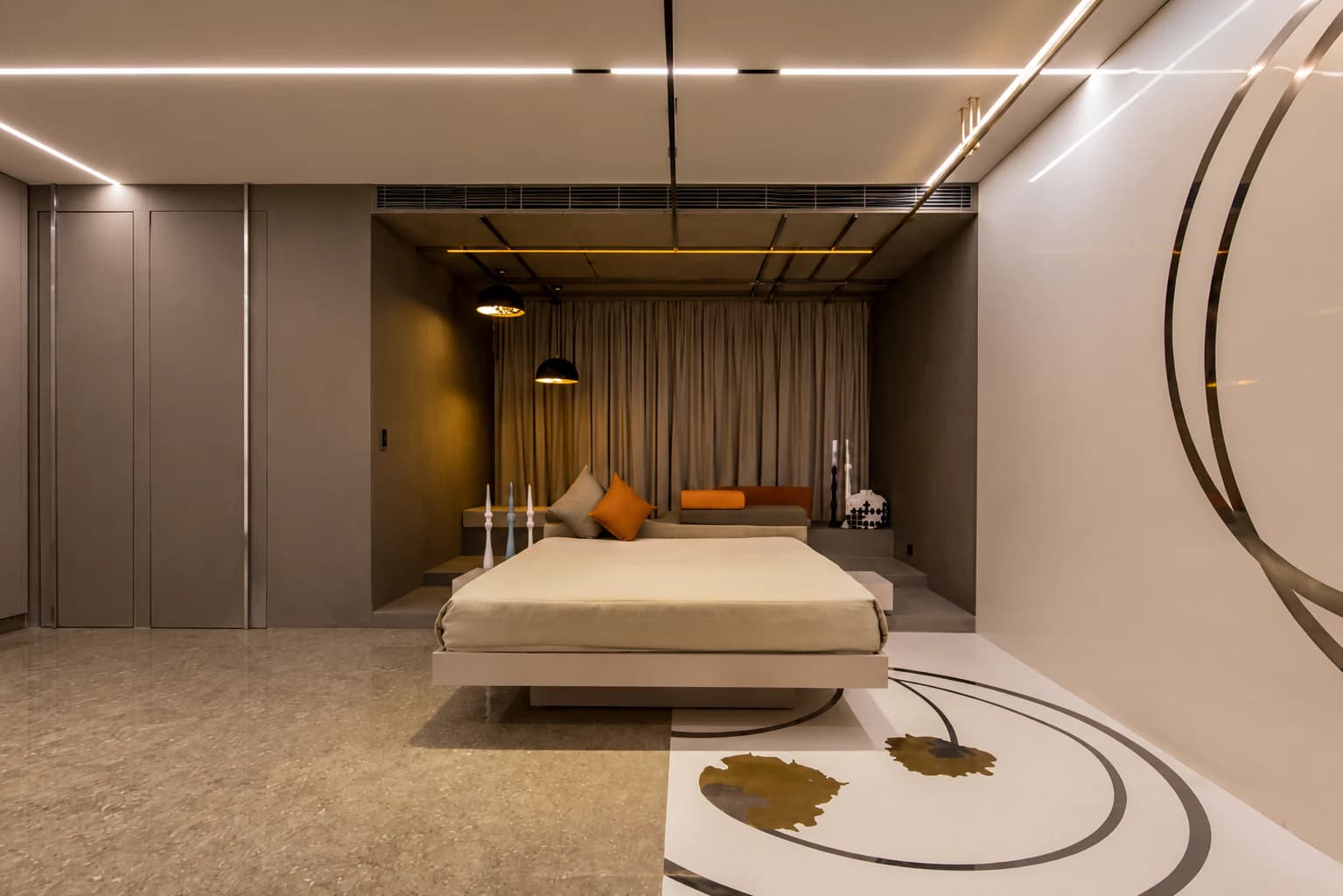
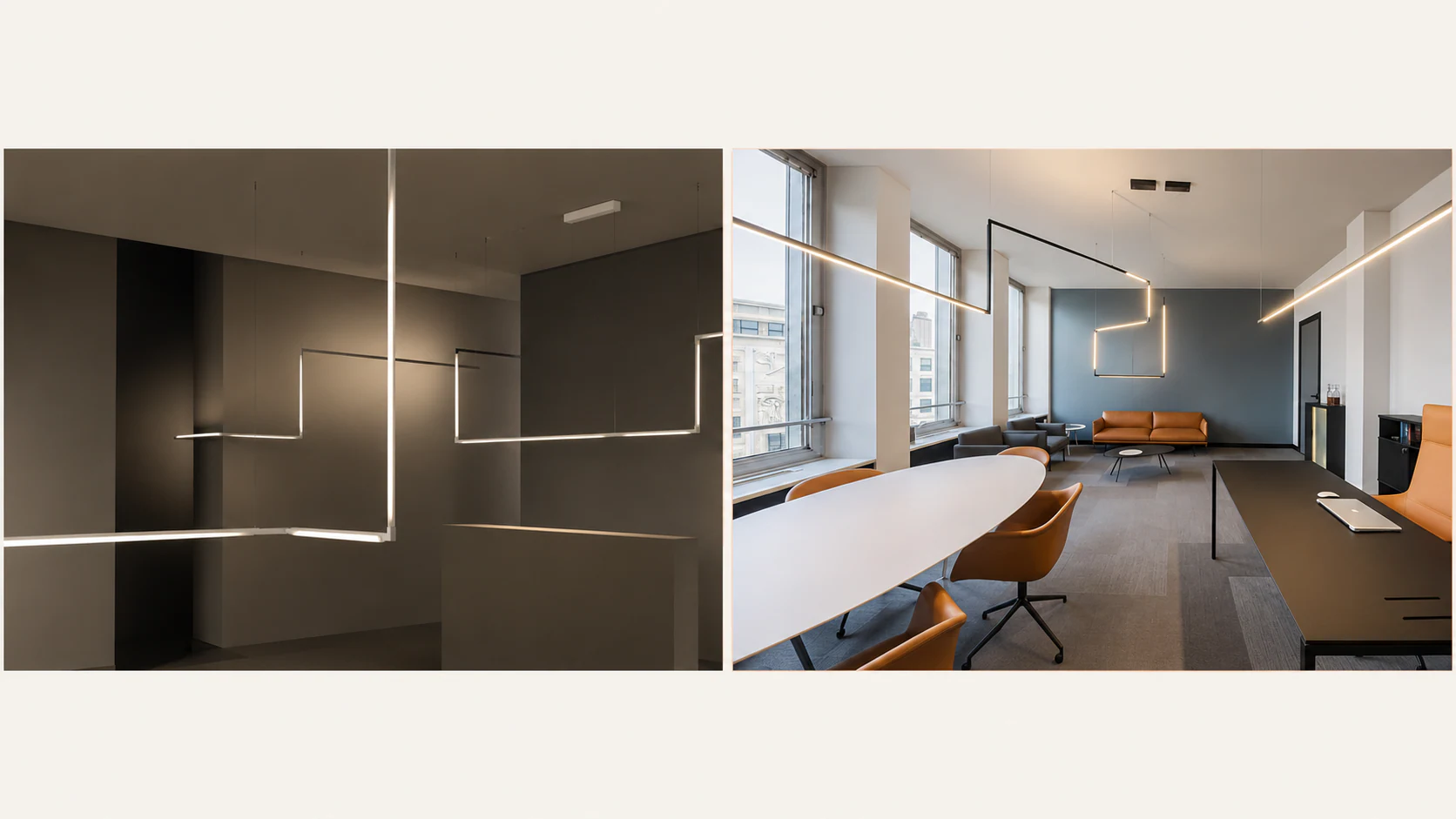
Over the years, the company has delivered thousands of residential, commercial, institutional and government projects: home cinemas and whole-building automation, a major police-department interiors and audiovisual programme, commercial fit-outs and premium villa integrations.
Almost every project crossed disciplines — interiors, electrical, carpentry, automation, AV, acoustics, lighting, security and networking in one contract. Coordinating those trades day after day, on real sites with real deadlines, is where I learned most of what I know about delivery.
What founder-level accountability changes
When the same person owns the P&L, the client relationship and the quality of the commissioning, the incentives line up. You cannot quietly pass a problem to the next trade, because the next trade is also you. That pressure produces a particular discipline: define what finished means, check it, and stand behind it.
Where the company stands
Synchronos continues to operate from Bengaluru, delivering integrated technology and interior projects, while its newer enterprise-software work continues under NxSync.
Explore the portfolio
What the work taught me
Full-cycle ownership is a discipline, not a slogan. Owning everything from the first conversation to the last service call builds a kind of systems thinking that no single-function role can teach — and managing a wide network of contractors and partners teaches you to set boundaries, define quality and check it, every time.
Years later, when I began directing software projects, I recognised every failure pattern I met. The joints between disciplines are where projects fail, whatever the medium.
The habit of owning the seams between disciplines is what later made multidisciplinary product leadership feel familiar.